Subscribe Now
Forskolin – An Ancient Remedy Or A Modern Dietary Tool?
Forskolin is a potent herbal extract obtained from Cecoleus Forskohlii, a member of the wide ranging mint family. Forskolin herbal remedies date back over thousands of years. It is widely known as a heal-all Ayurvedic medicine in traditional Hindu culture. Forskolin is commonly used in the treatments for allergies, infections, abdominal diseases, eye disorders, respiratory diseases and dermatological problems.
What Does Forskolin Look Like?
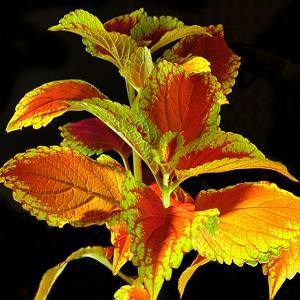
The plant has a small size, approximately one to two feet long, with gleaming green leaves featuring a splotch of purple in the middle. You will frequently see a light purple or blue flower blossoming from a stem. While leaves are pretty to look at, it is the root which has the magical curative properties. The roots contain many medicinal substances and unique functional elements.
Where Does It Grow?
It is commonly found in locations with a subtropical climate such as Thailand, India, Nepal and Sri Lanka.
Why Is Forskolin Being Touted As A Modern Dietary Tool?
In western countries Forskolin only became commercial when a Finnish botanist named Forskal discovered the plant in the year of 1974. US National Library of Medicine issued a clinical study stating that Forskolin can be used to lose weight. During the investigation, they unearthed the fact that it can burn fat and reduce Body Mass Index. They also discovered that Forskolin increases bone mass simultaneously.
Ingredients Found In Forskolin
Forskolin features the following ingredients:
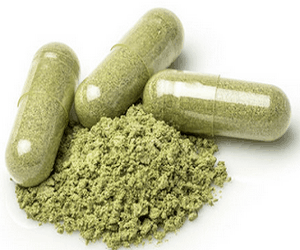
- 20% Coleus Forskohlii Root
- Yielding 50 mg
- Active 10% Forskolin
Dose Of Forskolin
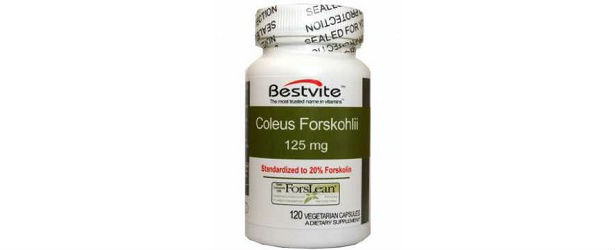
The maximum oral dose of Forskolin supplement is 500 mg.
Side Effects Of Forskolin
Adverse effects of Forskolin are hypotension (low blood pressure), headache, irregularity in heart rate (arrhythmia), and high levels of testosterone, sore throat and tremors.
Contraindications
Forskolin is potentially dangerous in heart and cardiovascular diseases and blood disorders. Furthermore, it is important to stop any herbal medicine at least two weeks before surgery.
Although there is no evidence of teratogenicity and toxicity, women who are expecting or nursing should take no chances and avoid Forskolin.
Is Forskolin Expensive?
 Forskolin costs more compared to other herbal medicines. There are many manufacturers in the market and they have their own rates. Price also depends upon the potency of drug and its popularity. Beware of sellers who are selling the drug too cheap or too expensive. Before you buy Forskolin, do your research and consult your physician.
What If Forskolin Doesn’t Work?
If you achieve unsatisfactory results with Forskolin, there is nothing you can do about it. Companies producing Forskolin make no guarantee as to the accuracy and effectiveness of supplement.
Does Forskolin Really Work?
There are limited clinical trials about the weight loss effects of Forskolin. Clinical studies with overweight subjects have proved that its mechanism of action causes an increase in cAMP levels which in turn boosts the natural fatty acid metabolism. To date, we have no consistent and authentic results. It is hard to say whether Forskolin work the same way in every patient. Concluding the review, Forskolin does promote weight loss in a number of people, but we can’t be sure of its consistency until we have more proof.

 pressure, fatigue, dizziness, thinning of blood, elevated heart rate (tachycardia), heartburn, indigestion and drug interactions.
 In May 2014, Dr. Mehmet Oz, a renowned cardiothoracic surgeon, author and television personality, discussed Forskolin and its fat-burning properties on a television show. He talked about how Forskolin enhances lipid metabolism, eats up extra fat piled up in adipose tissues, helps to obtain optimal
 Advertised as ‘lightening in the bottle’ and
  Forskolin is known to cause low blood pressure, tachycardia and arrhythmia, irritation of throat, cough, indigestion and acidity, tremors, headache and increased testosterone levels. In rare cases, it can lead to hemorrhage and cardiomyopathy. Forskolin may be harmful in patients with blood disorders and heart diseases. It is not recommended for use in pregnant women and breastfeeding mothers.
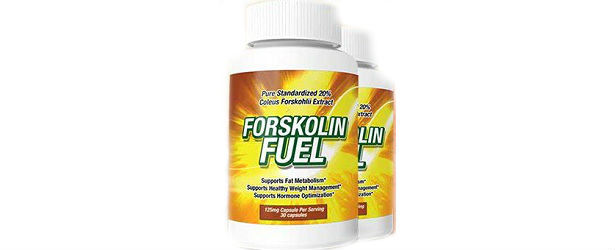
 Forskolin acts as a fuel and breaks down belly fat through a chemical process called thermogenesis. The mechanism of action elevates the internal body temperature and metabolic rate resulting in burning of fat which eventually leads to weight loss. Department of Health Sport and Exercise Sciences carried out a clinical study on overweight subjects and the outcome was positive.
 Forskolin eye-drops are useful in patients with open angle glaucoma as it decreases intra-ocular pressure.

 Forskolin must be avoided in blood disorders, kidney and cardiovascular diseases. If you are going to have a surgery, it is important that you inform your doctor and stop the drug at least two weeks before the appointment.



 Forskolin has shown to improve levels of cAMP in diseases such as eczema and athsma where cAMP levels are low. Forskolin has proven to be a safer way to increase cAMP levels without using the more widely prescribed steroids which can have unwanted side effects such as fluid retention, weight gain and stomach upset.

 Based on a study published by the Journal of the American Dietetic Association, 15% of Americans are turning into dietary supplements to speed up the process of losing weight. However, not all weight loss products are patronized and they choose mostly those made from natural ingredients, which makes forskolin a popular choice. It is made from an herbal plant belonging to the mint family, which has been traditionally used for the following condition:
 For those who have not tried the product in the past, it is easy to have doubts on its effectiveness. However, studies in the past have already proven its effectiveness. One of the most significant would be the one completed at the University of Kansas by the Department of Health, Sport, and Exercise Studies. In a study involving thirty subjects who were asked to have forskolin taken orally for a period of 12 weeks, the conclusion has been favorable. It showed how the product can be an effective option for treating obesity.